Your Post-Workout Shake Doesn't Matter as Much as You Think: The Real Timeline of Muscle Recovery

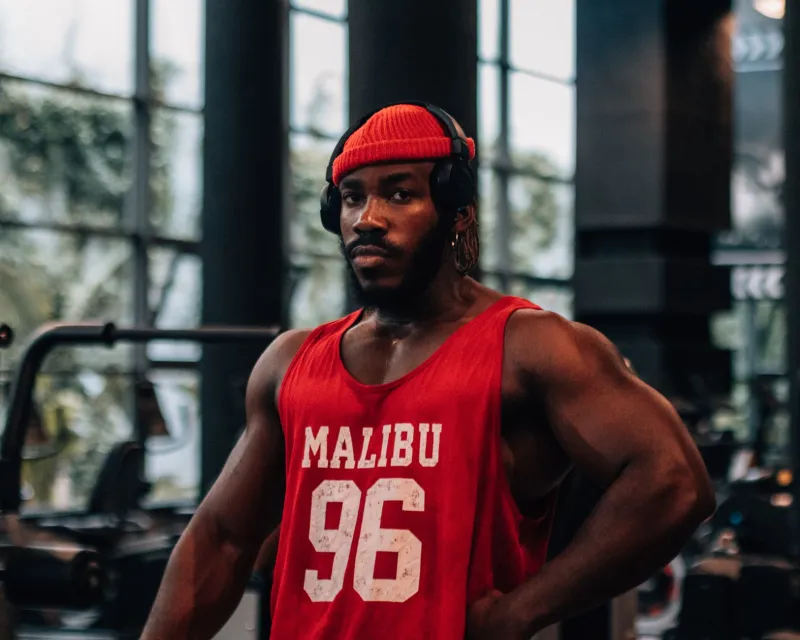
Photo by Photo by Aly Ramirez on Unsplash on Unsplash
Somewhere along the way, the fitness industry convinced an entire generation of lifters that if you don't slam a protein shake within 30 minutes of your final rep, your workout basically didn't happen. Chug it in the locker room or kiss your gains goodbye.
Here's the good news: that's not how your body works. Not even close.
The so-called anabolic window — the idea that there's a tiny, rapidly closing slot of time after training where protein must be consumed — has been picked apart in the research for years. Muscle repair and growth unfold over hours and days, not minutes. And once you understand the actual timeline, you can stop panicking about shake timing and start focusing on the stuff that genuinely moves the needle.
Where the Myth Came From
The anabolic window isn't pure fiction — it's a distortion of real science. Early studies on fasted training showed that protein timing mattered more when lifters hadn't eaten for hours beforehand. Supplement companies ran with that, exaggerated the urgency, and suddenly everyone in your LA Fitness was doing the post-workout sprint to the shaker bottle.
What got lost in translation: when researchers compared lifters who ate protein immediately post-workout against those who ate the same amount several hours later, muscle growth over weeks and months was essentially identical. Total daily protein intake crushed timing in every head-to-head.
The Real Recovery Timeline: Hour by Hour, Day by Day
Let's walk through what's actually happening after you rack the bar.
0–2 hours: The starting gun, not the finish line. Yes, muscle protein synthesis ticks up after training, and yes, having some protein and carbs in your system helps. But if you trained after a normal meal, you've already got amino acids circulating. You're covered.
2–24 hours: Synthesis ramps up. Muscle protein synthesis peaks somewhere in this window and stays elevated. Glycogen replenishment is rolling along, faster if you eat enough carbs throughout the day. This is where your regular meals matter way more than your post-workout shake.
24–48 hours: The repair crews are still on site. For most lifters, elevated protein synthesis lasts roughly 24 to 48 hours after a session — longer in trained lifters after novel or heavy work. This is why hitting your protein target the day after leg day is just as important as the day of.
48–72+ hours: The nervous system catches up. Central fatigue — the draggy, wired-but-tired feeling after brutal sessions — can linger for days. This is the recovery cost nobody talks about at the smoothie counter, and it's why stacking max-effort sessions back to back backfires.
What Actually Matters Instead
If timing is a rounding error, here's where to put your energy:
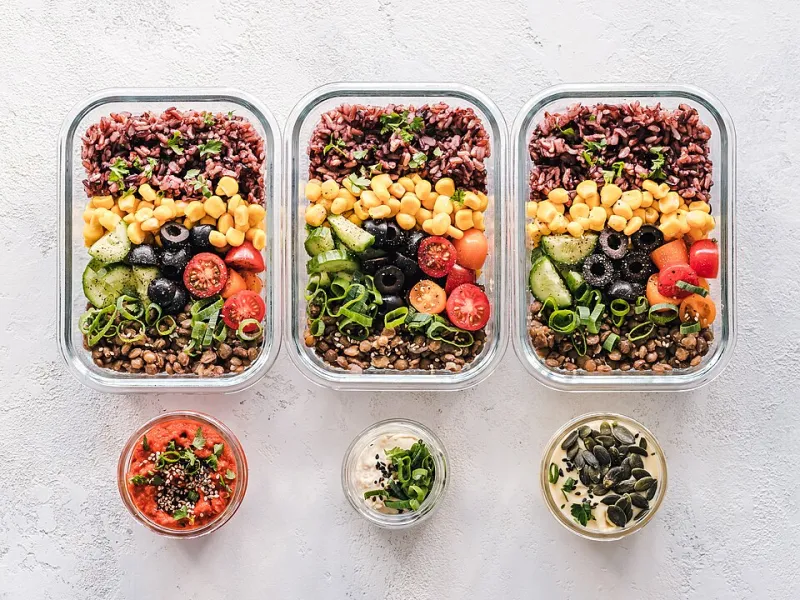
- Total daily protein: Aim for roughly 0.7 to 1 gram per pound of bodyweight, spread across 3–5 meals. That's the whole game.
- Carbs around training: Not mandatory, but they refill glycogen and keep hard sessions sustainable.
- Sleep: The single most anabolic thing you do all day, full stop.
- Consistency: A decade of decent meals beats six months of perfect post-workout timing followed by burnout.
The Bottom Line
Stop treating your post-workout shake like a ticking time bomb. Your muscles don't wear watches — they respond to the total nutrition and recovery picture across days. Nail your daily protein, sleep like it's your job, and give hard sessions real rest days. That's the timeline that actually builds muscle.