How Smart Lifters Eat More in Summer and Less in Winter — And Still Build Muscle All Year
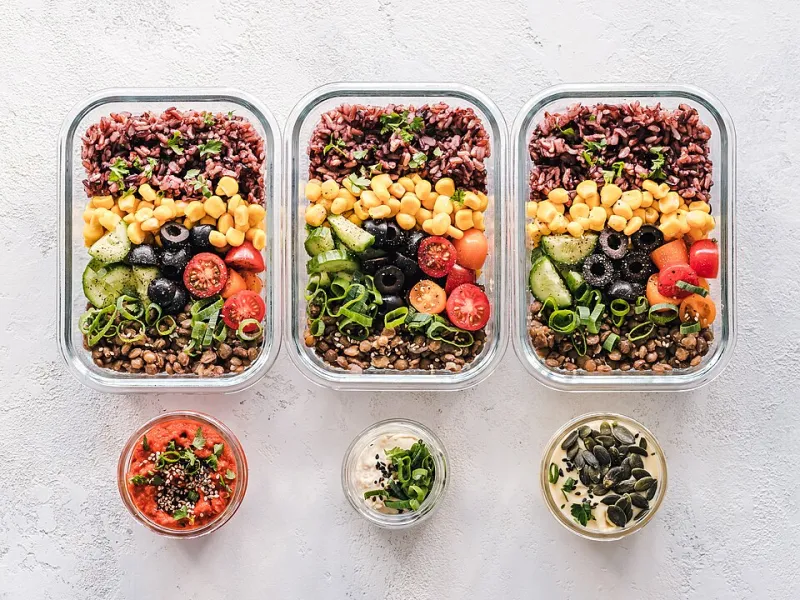
Photo: Ella Olsson from Stockholm, Sweden, CC BY 2.0, via Wikimedia Commons
The classic bulk-and-cut model has been a staple of American bodybuilding culture for decades. Eat big in the fall and winter, get lean in the spring. Simple, structured, and — for a lot of guys — pretty brutal in practice. Because by the time cutting season rolls around, you've packed on twenty pounds and maybe eight of them are actually muscle.
There's a smarter way to do this. It doesn't involve magic macros or some revolutionary new supplement. It's called calorie cycling, and when you apply it strategically across your training year, it changes the entire game.
Why Traditional Bulking and Cutting Falls Short
Let's start with the core problem. When you eat in a large caloric surplus for months on end, your body doesn't just build muscle — it gets very efficient at storing fat. Insulin sensitivity can drop. Hormonal responses shift. And after a point, those extra calories stop contributing meaningfully to muscle protein synthesis and start going straight to adipose tissue.
Cutting then becomes this long, grinding process where you're trying to preserve the muscle you built while shedding the fat you didn't want. And if you cut too aggressively — which a lot of people do when they're frustrated with how much fat they gained — you end up losing muscle in the process. You're essentially spinning your wheels.
Calorie cycling addresses this by keeping your surplus smaller and smarter, fluctuating based on what your body actually needs at any given point in your training cycle.
The Core Concept: Match Calories to Demand
The foundation of calorie cycling is straightforward: eat more when your body has a higher demand for fuel and nutrients, eat less when it doesn't. The execution is where most people get tripped up.
Your caloric needs aren't static across a training year. They shift based on:
- Training intensity and volume — A week of heavy compound work with high volume demands more fuel than a deload week
- Recovery demands — After a particularly taxing training block, your body needs more nutrients to repair and grow
- Seasonal activity patterns — Most people in the US are more active in summer (more walking, outdoor activity, sports) and less active in winter
- Body composition goals at different phases — There are times when you're prioritizing growth and times when you're prioritizing maintenance or conditioning
When you start syncing your calorie intake to these actual variables instead of just picking a number and sticking to it for six months, your results get a lot more precise.
The Seasonal Framework in Practice
Here's a general year-round structure that works well for most intermediate-to-advanced lifters:
Winter (November–February): Controlled Growth Phase
This is traditionally when people go hardest on the bulk, but the smarter play is a modest surplus — roughly 200-350 calories above maintenance on training days. You're still in a building phase, but you're not eating recklessly. Training intensity should be high during this block, with a focus on progressive overload in the major lifts. The lower activity levels of winter mean your total daily energy expenditure is naturally a bit lower, so a massive surplus is more likely to become fat.
Spring (March–May): Transition and Tighten
As weather improves and activity naturally increases, start pulling calories back toward maintenance. This isn't a cut — it's a recalibration. You're letting your body leverage the muscle you built while gently reducing any fat that accumulated. Keep protein high (aim for 0.8–1g per pound of bodyweight), reduce refined carbs slightly, and let the increased activity do some of the work.
Summer (June–August): Performance and Recomposition
Counter-intuitively, summer can actually be a solid muscle-building window for active lifters. You're moving more, your metabolism is running hotter, and your body is primed for nutrient partitioning. A moderate surplus on high-intensity training days — paired with maintenance or slight deficit on rest days — creates ideal conditions for lean muscle gain. This is also when a lot of people look their best, so there's real psychological momentum to leverage.
Fall (September–October): Load Up and Push
Fall is when you can push harder again. Training intensity ramps up, and your calorie intake follows. Think of this as your setup phase for the winter growth block. Increase carbohydrate intake around workouts, focus on compound lifts, and use this window to hit new strength benchmarks before the holidays complicate everything.
How to Track Progress When the Scale Isn't the Point
One of the trickiest parts of calorie cycling is knowing whether it's actually working. Your weight on the scale won't move in a straight line — and that's by design. So you need better metrics.
Weekly averages matter more than daily weigh-ins. Take your weight every morning and average it across the week. Week-over-week trends are your actual data. A single day's fluctuation means nothing.
Performance in the gym is your primary signal. Are you adding reps or weight to your main lifts? Are your workouts feeling stronger over time? If yes, you're building. If your lifts are stalling and your weight isn't moving, your calories probably need to come up on training days.
Progress photos every 4 weeks. Taken in the same lighting, same time of day, same poses. Visual tracking catches changes that the scale misses entirely.
Waist measurements monthly. If your waist is creeping up consistently, your surplus is too aggressive. If it's holding steady while your lifts are improving, you're in the sweet spot.
The Macro Piece
Calorie cycling works best when your macros shift intelligently alongside your overall intake. On higher-calorie training days, the extra calories should come primarily from carbohydrates — they're the most efficient fuel for high-intensity lifting and the most anabolic macronutrient when timed around training. Protein stays consistent regardless of the day. Fat fills in the gaps.
On lower-calorie days or rest days, reduce carbs and keep fat moderate. You're not punishing yourself — you're just not flooding your system with fuel it doesn't need right now.
The Bottom Line
Calorie cycling isn't a shortcut. It's a long-game strategy that rewards consistency and patience. But if you're tired of gaining unnecessary fat every winter and spending half the year trying to undo it, this approach offers a genuinely better path.
You're not eating less overall. You're eating smarter — giving your body exactly what it needs, when it needs it, and nothing more. That's how you build year-round without watching your abs disappear every November.