The Real-Deal Weekly Meal Prep System Serious Lifters Use to Fuel Maximum Muscle Growth
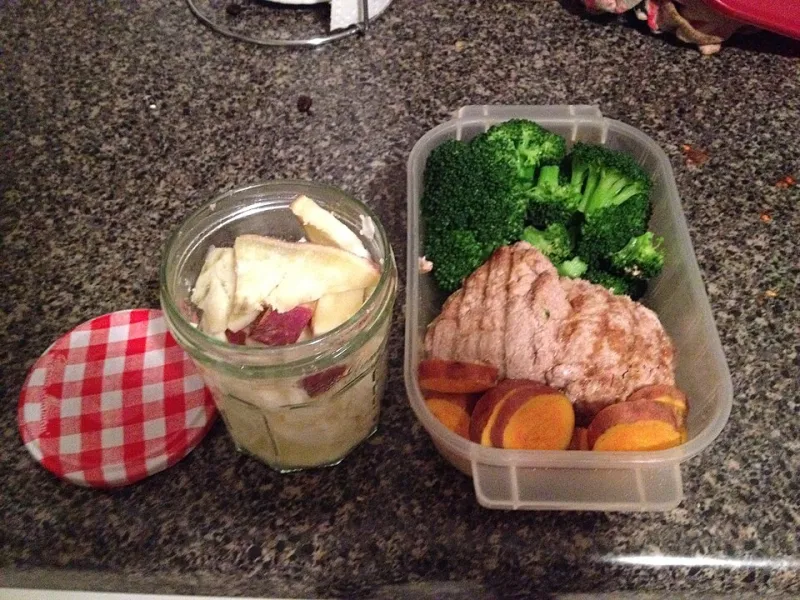
Photo: Khane Rokhl Barazani, CC BY-SA 4.0, via Wikimedia Commons
Scroll through social media long enough and you'll see plenty of pristine meal prep setups — twelve identical containers lined up on a marble countertop, each one holding a perfectly measured portion of grilled chicken and steamed broccoli. Looks great. Works terribly.
The reality of feeding a serious muscle-building lifestyle is messier, more strategic, and a whole lot more interesting than that. Lifters who are genuinely putting on size and performing at a high level treat their kitchen like a second training tool. Here's how the real system works — no aesthetic nonsense, just results.
Why Most Meal Prep Advice Misses the Point
Most meal prep content is built around weight loss and calorie restriction. That's fine if that's your goal, but if you're trying to build muscle, the priorities are completely different. You need caloric surplus, macronutrient precision, and strategic timing — not just "clean eating" portioned into cute containers.
When you're training hard four to six days a week, your nutritional needs shift significantly depending on what day it is. A heavy squat day demands more carbohydrates and total calories than a rest day. A serious prep system accounts for that. The Instagram version does not.
Step 1: Build Around Your Training Week, Not a Generic Template
Before you buy a single ingredient, map your training week. Which days are heavy compound days? Which are lighter accessory sessions? Which days are full rest?
This matters because carbohydrate distribution is one of the most powerful tools in a muscle-builder's nutrition arsenal. On high-intensity training days, you want more carbs — both pre- and post-workout. On rest days, you can pull carbs back and let protein and healthy fats carry more of the load.
A practical split might look like this:
- Training days: 40% carbs / 35% protein / 25% fat
- Rest days: 25% carbs / 45% protein / 30% fat
Your total calorie target stays roughly consistent (or slightly higher on training days), but the macro breakdown shifts. Prep your food with this in mind from the start.
Step 2: Choose Anchor Proteins and Batch Cook Them Right
Your protein sources are the backbone of the entire system. Choose two or three anchor proteins for the week and cook them in bulk. The key is picking proteins that hold up well over five days in the refrigerator and reheat without turning into rubber.
Top picks for batch cooking:
- Chicken thighs (not breasts — they stay moist and don't dry out by day four)
- 93% lean ground beef (cook in bulk, season simply, use in multiple contexts)
- Eggs (hard-boil a dozen at the start of the week as a grab-and-go option)
- Canned or pouch salmon and tuna (zero prep time, excellent macro profile)
- Cottage cheese (no cooking required, high in casein — great for nighttime nutrition)
One thing serious lifters do differently: they under-season their batch proteins so they can repurpose them throughout the week without flavor fatigue. Plain ground beef can become taco bowls, pasta sauce, or a rice dish depending on what you add at the time of eating.
Step 3: Carb Sources That Actually Store Well
This is where a lot of home cooks go wrong. Not all carbohydrates survive five days in the fridge equally.
Batch-cook friendly carb sources:
- White rice — cooks perfectly in a rice cooker, stores for five days, reheats fast
- Oats — prep overnight oats in mason jars for the first three days; make a fresh batch midweek
- Sweet potatoes — roast a full tray on Sunday; they hold up all week
- Whole grain pasta — slightly undercook (al dente) so it doesn't turn to mush when reheated
- Frozen fruit — no prep needed, mix into protein shakes or Greek yogurt
Notice what's not on this list: prepped salads, fresh leafy greens, or cut avocado. These don't last. Keep fresh vegetables as daily additions, not bulk prep items.
Step 4: The Two-Session Prep Model
Here's a structural insight most people skip: don't try to do all your prep in one marathon Sunday session. Elite-level lifters often split prep into two shorter sessions — one on Sunday and a smaller refresh on Wednesday or Thursday.
Sunday (60–90 minutes):
- Cook all anchor proteins
- Batch-cook rice and roast sweet potatoes
- Hard-boil eggs
- Portion out dry snacks (nuts, rice cakes, protein bars) into daily bags
- Prep overnight oats for days 1–3
Wednesday (30–45 minutes):
- Cook a second batch of protein if needed
- Refresh carb sources (fresh rice or pasta)
- Prep overnight oats for days 4–5
- Restock any produce that's running low
This two-session model means your food is always fresh, you're not eating five-day-old chicken on Friday, and the Sunday prep doesn't feel like a second job.
Step 5: Pre- and Post-Workout Nutrition Gets Its Own Prep
This is the piece most meal prep guides completely ignore. Your peri-workout nutrition — the meals immediately before and after training — deserves dedicated attention because it has an outsized impact on recovery and muscle protein synthesis.
Pre-workout (60–90 minutes before training): You want fast-digesting carbs and a moderate protein hit. Prepped options: rice cakes with peanut butter, oatmeal with a scoop of whey, or a banana with Greek yogurt. Keep these simple and pre-portioned so there's zero decision-making when you're about to train.
Post-workout (within 30–60 minutes after training): This is your most anabolic window. Prioritize fast protein (whey isolate or a whole food protein source) alongside a meaningful carbohydrate hit to spike insulin and drive nutrients into muscle tissue. A batch-cooked rice bowl with chicken or a protein shake with a banana and oats is the classic play — and it works.
Pre-portion your post-workout meals at the start of the week and label them separately so they're grab-and-go after you leave the gym.
Step 6: Storage Smarts That Preserve Nutrition
How you store food affects both safety and nutrient retention. A few non-negotiables:
- Glass containers over plastic for anything you're reheating — no chemical leaching, better heat distribution
- Cool food completely before sealing — trapping steam accelerates spoilage
- Freeze day 5 portions on Sunday if you're not confident they'll stay fresh — pull them out Thursday night
- Label everything with the date — simple habit, prevents waste
When Life Gets Messy (And It Will)
Even the best prep system breaks down sometimes. Travel, late nights, unexpected plans — these are facts of life. The lifters who stay on track long-term aren't the ones with perfect systems. They're the ones with flexible backup strategies.
Keep these on hand for when prep falls through:
- A rotisserie chicken from the grocery store
- Canned salmon or tuna pouches
- Frozen edamame (microwave in three minutes)
- Greek yogurt (high protein, no prep, widely available)
- Protein powder (a shake with milk and a banana is a legitimate meal)
The goal isn't perfection. The goal is consistency over weeks, months, and years. Build the system, follow it most of the time, and have a fallback when you can't.
Your gains are built in the kitchen just as much as the gym. Treat food prep like training — with a plan, with intention, and with the understanding that showing up consistently beats going all-out occasionally every single time.