Stalled Lifts, Bad Sleep, Aching Joints: The Under-Recovery Checklist Every Lifter Needs

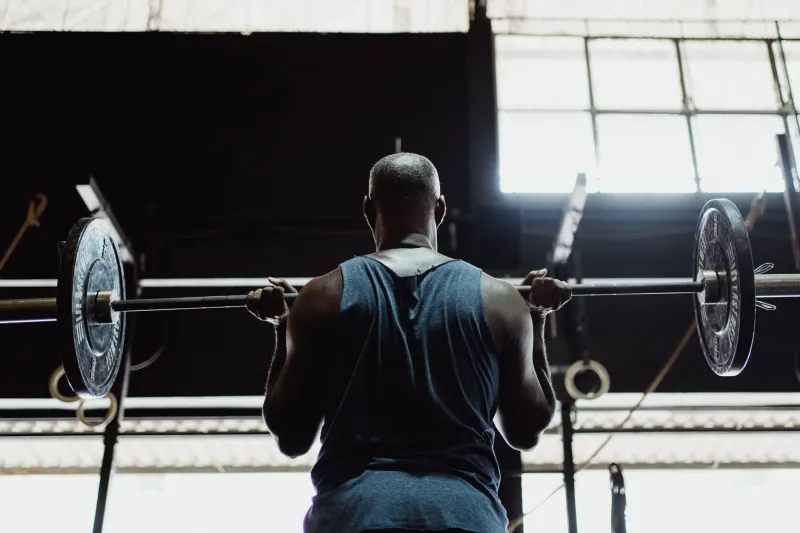
Photo: Prashant Shrestha from Kathmandu, Nepal, CC BY 2.0, via Wikimedia Commons
Here's a truth nobody puts on a motivational poster: you don't grow in the gym. You grow between sessions, and if the between-sessions part is falling apart, no amount of hustle fixes it.
The tricky part is that under-recovery doesn't announce itself. It creeps in — a little stiffer here, a little more tired there — until one day you're three weeks into a plateau wondering what went wrong. The fix is catching the warning signs early. Run through this checklist honestly. If you check two or more boxes, your training is writing checks your recovery can't cash.
1. Your Main Lifts Have Stalled Across the Board
One lift stalling is normal. Everything stalling at once — bench, squat, rows, all of it — is a recovery problem, not a programming problem.
The fix: Take a light week. Cut your working weights by 30–40% and your sets in half for 5–7 days. Most lifters come back and add weight to lifts that were "stuck" for months.
2. Your Sleep Got Worse — Even Though You're Exhausted
Overtraining jacks up your nervous system, and a jacked-up nervous system doesn't sleep well. Tossing, turning, waking up at 3 a.m. with your heart pounding after a brutal training block? That's a signal, not a coincidence.
The fix: Audit your evening. Hard training sessions should finish at least 3 hours before bed, cut screens in the last hour, and keep your room cold and dark. If sleep still won't come, your volume — not your routine — is the problem.
3. The Same Joints Keep Aching
Sore muscles are the price of admission. Aching elbows, cranky knees, and shoulders that hurt before you even touch a weight are a different animal. Joints recover slower than muscle, and they're the first casualty of chronic under-recovery.
The fix: Swap barbell variations for dumbbell or machine versions for two weeks, and take a hard look at total weekly sets. If you're doing 25+ sets per muscle group, you're not training hard — you're just training a lot.
4. Your Appetite Vanished
Sounds backwards, right? But when stress — training or otherwise — piles up high enough, appetite drops off a cliff right when your body needs fuel most. Forcing down food becomes a chore.
The fix: Don't rely on hunger cues during heavy blocks. Set a protein and calorie floor and hit it mechanically: liquid calories like smoothies with whey, oats, and peanut butter make it painless.
5. Every Workout Feels Like a Grind
Some days are heavy. But when warm-up weights feel like maxes and you're dreading sessions you used to enjoy, your gas tank is empty.
The fix: Auto-regulate. Use a simple rule — if your first working set feels like an RPE 9 when it should be a 7, cut the session's volume in half and leave. You'll lose nothing and gain everything.
6. You're Getting Sick More Often
Training hard suppresses immune function temporarily. Recovering well bounces back fast. If you're catching every bug going around the office, your body is running on fumes.
The fix: Prioritize the boring stuff — 7–9 hours of sleep, consistent meals, and a genuine rest day that's actually restful, not a 45-minute "active recovery" HIIT session.
7. Your Motivation Flatlined
The drive to train comes from your brain, and your brain keeps a recovery ledger too. When motivation disappears for two weeks straight, that's not laziness — that's your central nervous system waving a white flag.
The fix: Change the stimulus. Take a deload, train something new for a week, or just walk. Motivation usually isn't missing — it's exhausted.
Train Hard, Recover Harder
The lifters who build serious muscle over years aren't the ones who train hardest every single day. They're the ones who match their intensity with equal recovery — sleep, food, and honest rest days. Check this list monthly. Catch the warning signs early, fix them fast, and keep stacking quality sessions. That's how you build bigger for the long haul.